

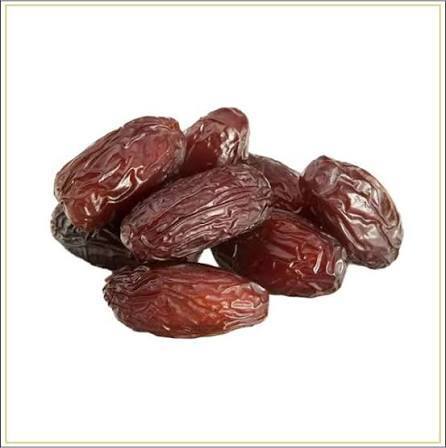
Dates for the Food Industry | Best Varieties for Date Syrup, Date Paste & Processed Date Products
Overview
Dates are not only consumed as a fresh or dried fruit. They are also an important raw material for the food processing industry and can be used to produce date syrup, date paste, fillings, snacks, sweeteners and other value-added products. Choosing the right date variety is essential for achieving the desired quality, processing efficiency and production cost.
Dates have become an increasingly versatile ingredient for food manufacturers around the world. Their natural sweetness, distinctive flavor and different textures allow them to be incorporated into a wide range of food products.
For industrial food production, however, choosing the right date is different from choosing a date for direct consumption. A premium table date may have excellent appearance and eating quality, but those characteristics are not necessarily the most important factors when the fruit is going to be processed into paste, syrup or another ingredient.
Food manufacturers should therefore evaluate dates according to their intended application. Factors such as texture, moisture, natural sweetness, flesh-to-pit ratio, processing yield, pit removal and cost can all influence the suitability of a particular variety.
How Are Dates Used in the Food Industry?
Dates can be processed into different ingredients and finished products. Depending on the variety and processing method, they can be used as a natural sweetener, a binding ingredient, a filling or the main raw material in a finished food product.
Common Industrial Applications of Dates
- Date Syrup: Used as a sweet ingredient in beverages, bakery products, desserts and food formulations.
- Date Paste: Used in bakery products, confectionery, energy bars, fillings and snack products.
- Date Fillings: Used in pastries, cookies, cakes and other confectionery products.
- Date-Based Snacks: Used as a base for energy bites, fruit bars and date-and-nut products.
- Processed Date Ingredients: Dates can be incorporated into different food formulations according to the requirements of the manufacturer.
Why Is Date Variety Important for Food Processing?
Different date varieties have different physical and processing characteristics. Iranian dates, for example, are available in soft, semi-soft and semi-dry forms, with significant differences in moisture, sweetness, texture and size.
These differences can influence how efficiently the fruit can be processed and how it performs in the final product. A variety that works well for a soft filling may not necessarily be the most suitable option for a product that requires a firmer date texture.
For this reason, industrial buyers should select a date based on the specific processing application rather than choosing solely according to market popularity.
Key Characteristics of Dates for Industrial Processing
Moisture Level
Moisture can affect processing behavior, texture, storage requirements and the consistency of the final product.
Natural Sweetness
Natural sugar content and flavor are particularly important when dates are processed into syrup or other sweet ingredients.
Texture
Soft and semi-soft dates may be easier to process for paste, fillings and certain food formulations.
Processing Yield
The amount of usable fruit after pit removal and processing is an important factor in calculating the real cost of production.
Premium Table Dates vs. Industrial Processing Dates
One of the most important distinctions for food manufacturers is the difference between dates selected for direct consumption and dates selected as industrial ingredients.
Premium table dates are often selected for their appearance, size, texture and eating quality. In food processing, however, manufacturers may prioritize factors such as processing efficiency, natural sweetness, usable yield and cost.
This does not mean that lower-priced dates are necessarily better for industrial production. Instead, the most suitable product is the one that provides the right balance between quality, processing performance and total production cost.
Important Tip for Food Manufacturers
Before purchasing dates in bulk, clearly define the intended application. Producing date syrup, date paste, fillings or snack products may require different date characteristics. Once the application is identified, the appropriate variety and grade can be selected more accurately.
In the next section, we will compare several important Iranian date varieties for food processing and examine their potential suitability for producing date syrup, date paste and other processed date products.
Best Iranian Date Varieties for Food Processing
Iran is one of the world's important date-producing countries and offers a wide range of commercial varieties. Iranian dates differ in texture, moisture, sweetness, size and processing characteristics, which allows food manufacturers to select different varieties according to their production requirements.
For industrial applications, the most important question is not simply which date is the most popular, but which variety provides the best balance of processing performance, usable yield, flavor and cost for the intended product.
1. Mazafati Dates for Food Processing
Mazafati is one of the best-known Iranian soft date varieties. Its soft and fleshy texture makes it suitable for applications where dates need to be mashed, blended or incorporated into soft food formulations.
For food manufacturers, Mazafati can be considered for date-based desserts, fillings, snacks and certain processed products. Its naturally sweet flavor can also complement formulations where the characteristic taste of dates is desirable.
Because Mazafati is a soft and relatively moist date, manufacturers should pay particular attention to storage, transportation and processing conditions when purchasing it in commercial quantities.
Best suited to consider for: soft fillings, date-based snacks, desserts and processed products where a soft texture is desirable.
2. Kabkab Dates for Date Paste and Industrial Processing
Kabkab is an important Iranian date variety that can be considered for food processing applications. Depending on grade and condition, its texture can make it suitable for processing into date paste and other date-based ingredients.
For industrial buyers, Kabkab can be an option when the main objective is to obtain a functional date ingredient rather than a premium table fruit. The final selection should still be based on the specific processing requirements of the manufacturer.
Kabkab can be evaluated for applications such as date paste, fillings, bakery ingredients and other processed products where the fruit will undergo grinding or blending.
Best suited to consider for: date paste, fillings, bakery ingredients and other processed date products.
3. Rabbi Dates for Food Manufacturing
Rabbi is an Iranian date variety with a firmer structure than some very soft date varieties. Depending on its grade and moisture level, it can be considered for both direct consumption and different food processing applications.
For food manufacturers, Rabbi can be evaluated for date paste, fillings, bakery products and formulations where a slightly firmer raw material may be preferred.
The appropriate Rabbi specification should be selected according to the production process. Factors such as moisture, size, quality grade and processing yield can influence its performance.
Best suited to consider for: date paste, fillings, bakery formulations and processed food products.
4. Shahani Dates for Processed Date Products
Shahani is another Iranian variety that can be considered for food processing. Its soft texture and sweet flavor can make it useful for products in which dates are processed or incorporated into other ingredients.
Shahani can be evaluated for date paste, fillings, desserts and other processed date products. For industrial buyers, however, the required grade should be selected according to the production process rather than simply choosing the highest retail grade.
For large-scale production, consistent quality between batches is particularly important. Manufacturers should therefore discuss specifications and supply consistency with their supplier before establishing a long-term purchasing program.
Best suited to consider for: date paste, fillings, desserts and processed date ingredients.
5. Zahedi Dates for Semi-Dry Food Applications
Zahedi is generally recognized as a semi-dry Iranian date. Its firmer structure distinguishes it from softer varieties and can make it worth considering for applications where a lower-moisture or more structured date ingredient is preferred.
Zahedi can be evaluated for chopped-date products, bakery formulations, snack products and other applications where the date is not necessarily required to have a very soft texture.
For industrial use, the exact suitability depends on the product formulation, processing method and required specifications.
Best suited to consider for: chopped-date products, bakery applications, snacks and formulations requiring a firmer date texture.
Comparison of Iranian Dates for Food Processing
| Date Variety | General Texture | Potential Processing Applications |
|---|---|---|
| Mazafati | Soft and fleshy | Fillings, desserts, snacks and soft-textured products |
| Kabkab | Soft to semi-soft | Date paste, fillings and processed ingredients |
| Rabbi | Soft to semi-dry | Paste, fillings, bakery and processed products |
| Shahani | Soft | Paste, fillings, desserts and processed products |
| Zahedi | Semi-dry | Chopped dates, bakery and snack products |
Choosing a Date Variety for Your Factory
The most suitable date variety depends on your production process. A manufacturer producing date paste may prioritize softness and processing yield, while a producer of chopped-date snacks may prefer a firmer texture. Before placing a bulk order, define the application and required specifications first.
In the next section, we will examine the best date characteristics specifically for date syrup, date paste, fillings and other processed date products, including the factors that can affect production efficiency and total cost.
Choosing Dates for Different Food Processing Applications
The best date variety for food processing depends largely on the type of product being manufactured. Producing date syrup requires different considerations from producing date paste, bakery fillings or snack products.
For this reason, food manufacturers should evaluate the raw material according to the complete production process. Factors such as natural sweetness, moisture, texture, flesh-to-pit ratio, processing yield and consistency can influence the final result.
Best Dates for Date Syrup Production
Date syrup is one of the most important value-added products made from dates. It can be used as a natural sweetener in beverages, bakery products, desserts, sauces and different food formulations.
For date syrup production, manufacturers generally need raw material with suitable natural sweetness and efficient extraction characteristics. The visual appearance of the whole fruit is usually less important because the dates undergo processing before becoming syrup.
Iranian varieties such as Kabkab, Shahani and Rabbi can be evaluated for syrup production according to their specific grade and processing characteristics.
Important Factors for Date Syrup Production
- Natural sweetness and soluble solids
- Efficient extraction during processing
- Suitable moisture level
- Flavor profile
- Processing yield
- Consistent quality
- Competitive raw material cost
Best Dates for Date Paste Production
Date paste is widely used by food manufacturers as an ingredient for bakery products, confectionery, energy bars, snacks and fillings. Unlike premium table dates, the most important characteristics for paste production are usually related to processing performance rather than appearance.
Soft and semi-soft Iranian varieties can be considered for this application. Kabkab, Rabbi and Shahani may be evaluated depending on the required texture, moisture level and processing equipment.
A good industrial date for paste production should provide an appropriate balance between softness, flavor, usable flesh and processing efficiency.
Dates for Bakery and Confectionery Fillings
Date fillings are used in pastries, cookies, cakes, biscuits and other confectionery products. The desired texture depends on the recipe and the manufacturing process.
Soft dates can be particularly useful when the fruit needs to be blended into a smooth filling. Mazafati and Shahani can be considered for soft-textured applications, while Rabbi and Kabkab may also be evaluated depending on the desired consistency.
Manufacturers should also consider whether the filling will be used alone or combined with ingredients such as nuts, chocolate, coconut, spices or other fruit ingredients.
Dates for Snack and Energy Bar Production
Dates are widely used as a base ingredient in energy bars, fruit bars, energy bites and date-and-nut snacks. In these products, dates can provide sweetness while also helping bind other ingredients together.
Soft and sticky dates can be useful for formulations where the date needs to hold nuts, seeds, oats or other ingredients together. Mazafati and other suitable soft varieties can therefore be considered for certain snack formulations.
For commercial production, however, manufacturers should evaluate the consistency of the raw material and its performance in their own formulation before selecting a variety for long-term bulk purchasing.
Dates for Chopped and Processed Date Products
Some food products require dates to remain partially intact rather than being converted into paste or syrup. These can include cookies, cereals, bakery mixes, snack bars and products containing visible pieces of fruit.
For these applications, a semi-dry or firmer date may be more practical because the pieces can maintain their structure during handling and processing.
Zahedi and Rabbi can be considered for applications where a firmer date texture is preferred. The appropriate grade and moisture level should still be selected according to the final formulation.
Industrial Date Selection: Quality vs. Cost
For food manufacturers, purchasing decisions should be based on the total cost of producing the final ingredient rather than the purchase price of the raw dates alone.
Processing losses, pit removal, unusable fruit, moisture differences and inconsistent quality can all influence the actual cost of production. A date with a lower purchase price is not necessarily the most economical choice if it produces a lower usable yield.
| Application | Key Requirement | Varieties to Consider |
|---|---|---|
| Date Syrup | Natural sweetness, extraction yield and flavor | Kabkab, Shahani, Rabbi |
| Date Paste | Softness, processability and usable yield | Kabkab, Rabbi, Shahani |
| Soft Fillings | Soft texture and spreadability | Mazafati, Shahani |
| Energy Bars | Binding ability, sweetness and texture | Mazafati, Rabbi |
| Chopped Date Products | Firmness and structural consistency | Zahedi, Rabbi |
Why Processing Yield Matters in Bulk Date Purchasing
When purchasing dates for industrial processing, the quantity of usable material obtained after preparation is an important commercial consideration.
For example, manufacturers producing date paste need to account for pit removal and other processing losses. A supplier may offer a competitive price per kilogram, but the final cost of usable paste can be higher if the raw material produces excessive waste.
This is why professional buyers should evaluate both the purchase price and the expected processing yield before comparing different date varieties.
A Practical Approach for Food Manufacturers
The most reliable way to select an industrial date is to test a representative sample using the actual production process. This allows manufacturers to evaluate texture, yield, flavor and processing performance before committing to a large bulk order.
In the final section, we will explain how food manufacturers can select and source Iranian dates in bulk, including quality specifications, packaging, consistency, supplier selection and the key questions buyers should ask before placing a commercial order.
How to Choose Dates for Industrial Food Production
Selecting the right dates for industrial food production requires more than choosing a popular variety. Food manufacturers should evaluate the raw material according to the intended application, production process and target product specifications.
Whether the final product is date syrup, date paste, bakery filling, an energy bar or another processed food, the right date should provide a practical balance between quality, processing performance, consistency and cost.
What Should Food Manufacturers Check Before Buying Dates?
Industrial Date Buying Checklist
- Date variety: Confirm that the variety is suitable for the intended application.
- Grade and quality: Define the required commercial grade before ordering.
- Moisture: Check whether the moisture level matches the production process.
- Texture: Make sure the texture is appropriate for grinding, blending, extraction or chopping.
- Processing yield: Consider pit removal and other processing losses.
- Consistency: Ask whether the supplier can maintain the same specifications for repeat orders.
- Packaging: Select packaging that protects the dates during storage and transportation.
- Order volume: Confirm minimum order quantities and the supplier's ability to support commercial volumes.
- Sample testing: Test the product in your own production process whenever possible.
Why Sample Testing Is Important
A product specification on paper does not always show how a date will perform in a specific manufacturing process. This is particularly important for food manufacturers purchasing large quantities.
A sample can be tested for grinding, paste production, syrup extraction, blending, chopping or baking depending on the intended application.
Testing the actual raw material before a large order can help manufacturers identify potential issues with texture, moisture, flavor, processing yield and compatibility with their equipment.
Choosing a Reliable Iranian Date Supplier
For international food manufacturers, selecting a reliable supplier is as important as selecting the right date variety. Long-term industrial supply requires consistent specifications, clear communication and the ability to fulfill agreed commercial requirements.
A professional supplier should be able to discuss the available varieties, grades, packaging options, order quantities and shipping requirements according to the buyer's needs.
Buyers should also avoid selecting a supplier based exclusively on the lowest quoted price. Consistency, usable yield, product quality and supply reliability can have a significant impact on the total cost of an industrial purchasing program.
Bulk Iranian Dates for Food Manufacturers
Iranian dates can provide food manufacturers with a broad selection of varieties for different processing applications. Soft varieties can be considered for paste, fillings and certain snack formulations, while semi-dry varieties may be suitable for products requiring a firmer date texture.
For manufacturers producing date syrup or paste, the most important consideration is often the relationship between the raw material's characteristics and the efficiency of the production process.
For this reason, bulk buyers should communicate their intended application clearly when requesting a quotation. A supplier can then recommend available varieties and specifications that are more closely aligned with the production requirements.
| Buyer Requirement | What to Specify |
|---|---|
| Product Application | Date syrup, date paste, filling, snack, bakery ingredient or other product |
| Date Variety | Preferred variety or required processing characteristics |
| Quality Specification | Grade, moisture, size and acceptable quality parameters |
| Quantity | Estimated order volume and purchasing frequency |
| Packaging | Preferred packaging format and weight per package |
| Delivery | Destination country, shipping requirements and delivery expectations |
Conclusion: Choosing the Best Dates for Food Processing
There is no single date variety that is universally the best for every food processing application. The right choice depends on the characteristics required by the final product and the conditions of the manufacturing process.
For date paste, soft and semi-soft varieties such as Kabkab, Rabbi and Shahani can be evaluated. For soft fillings and certain snack applications, Mazafati and Shahani may be considered. For products requiring firmer date pieces, varieties such as Zahedi and Rabbi can be evaluated.
Ultimately, food manufacturers should compare varieties based on processing yield, moisture, texture, sweetness, consistency and total production cost. Testing a sample before placing a large order is one of the most practical ways to make an informed purchasing decision.
Looking for Iranian Dates for Food Processing?
MIA supplies Iranian dates for wholesale and commercial applications. If you are looking for dates for date syrup, date paste, bakery ingredients, fillings, snacks or other food processing applications, contact us with your required variety, quantity, packaging and destination.
Request a Wholesale QuoteFrequently Asked Questions
What are the best dates for the food industry?
The best variety depends on the intended application. Soft and semi-soft Iranian dates can be considered for date paste, fillings and certain processed products, while firmer varieties can be suitable for applications requiring more structured date pieces.
Which Iranian dates are best for date paste?
Kabkab, Rabbi and Shahani can be evaluated for date paste production based on their texture, moisture level, processing yield and the requirements of the final product.
Which dates are suitable for date syrup production?
Dates with suitable natural sweetness, flavor and processing characteristics can be used for syrup production. Kabkab, Shahani and Rabbi can be evaluated depending on the required specifications and production process.
Are Mazafati dates suitable for food processing?
Yes. Mazafati can be considered for various processed food applications, particularly products where a soft and fleshy date texture is desirable.
What should food manufacturers consider when buying dates in bulk?
Food manufacturers should consider the date variety, grade, moisture level, texture, processing yield, pit removal, quality consistency, packaging, order quantity and total processing cost.
Can Iranian dates be purchased for industrial food production?
Yes. Iranian dates are available in different varieties and grades for wholesale and industrial applications. The appropriate product should be selected according to the manufacturer's processing requirements.
Should I request a sample before placing a large date order?
Yes. Testing a sample in the actual production process can help manufacturers evaluate texture, flavor, processing performance and usable yield before committing to a large commercial order.
Key Takeaway
The best date for food processing is not necessarily the most expensive or most popular variety. It is the variety that provides the right combination of processing performance, quality, consistency and cost for the intended product.
639228730974995893.jpg "Piarom vs Rabi vs Zahedi Dates: A Complete Comparison for Wholesale Buyers")