

639225257853335191.jpg)
Best Iranian Dates for Food Manufacturing and Processing
Summary: Iranian dates are an excellent raw material for food manufacturing and processing. Different varieties offer different levels of sweetness, moisture, texture, flesh yield, and processing characteristics, making them suitable for products such as date paste, date syrup, energy bars, bakery products, confectionery, snacks, and other food ingredients.
Iran is one of the world's important date-producing countries and offers a wide range of commercial date varieties. This diversity allows food manufacturers and industrial buyers to select dates according to their specific production requirements rather than relying on a single variety for every application.
For food manufacturers, the best date is not necessarily the largest or most visually attractive fruit. Processing applications often require specific characteristics such as suitable moisture, soft or semi-soft texture, high flesh yield, natural sweetness, consistent quality, and efficient processing performance.
Why Iranian Dates Are Suitable for Food Processing
Dates naturally contain sugars, fiber, and other nutritional compounds, while their distinctive texture and sweetness make them useful in a wide range of food products. Depending on the variety, dates can be consumed directly or processed into ingredients such as paste, syrup, fillings, sweeteners, and snack components.
Another advantage for manufacturers is the availability of different Iranian date varieties at different commercial grades. Dates that may not meet premium retail appearance requirements can, when they meet applicable food safety and quality requirements, be suitable for processing applications where appearance is less important than functionality and cost efficiency.
Key Advantages for Food Manufacturers
- ✔️ Natural sweetness for food formulations
- ✔️ Different varieties for different processing applications
- ✔️ Soft and semi-soft options suitable for paste and fillings
- ✔️ Potential use as a natural sweetening ingredient
- ✔️ Availability in commercial quantities for wholesale buyers
- ✔️ Suitable options for both retail and industrial processing
What Makes a Date Variety Suitable for Processing?
Selecting a date variety for industrial processing requires looking beyond appearance. Manufacturers should evaluate the physical and functional properties of the fruit and determine whether they match the requirements of the final product.
- Moisture level: Moisture affects texture, processing behavior, storage, and the final formulation.
- Texture: Soft or semi-soft dates can be easier to process into paste, fillings, and other ingredients.
- Natural sweetness: Sugar content and flavor influence the formulation and sensory characteristics of the final product.
- Flesh yield: A higher usable flesh proportion can improve processing efficiency and reduce unnecessary waste.
- Consistency: Uniform raw material helps manufacturers maintain more consistent production results.
Popular Iranian Dates for Industrial Applications
Several Iranian date varieties can be considered for food manufacturing and processing. The right choice depends on the final application, production technology, required texture, target cost, and quality specifications.
- Mazafati Dates: A soft and moist variety that can be suitable for paste, fillings, snacks, and other applications requiring a soft texture.
- Kabkab Dates: A soft to semi-soft variety that can be used in different processing applications, depending on the required specifications.
- Shahani Dates: Known for their soft texture and natural sweetness, making them an option for syrup, paste, and other processed products.
- Zahedi Dates: A drier variety with different handling and processing characteristics that can be considered for industrial applications where a semi-dry or dry raw material is preferred.
Important Note for Industrial Buyers
There is no single Iranian date variety that is ideal for every food-processing application. Manufacturers should select the variety according to the final product, processing method, required moisture and texture, food safety specifications, and target production cost.
In the next section, we will examine the most suitable Iranian dates for date paste, date syrup, bakery products, confectionery, energy bars, and other food-processing applications.
Best Iranian Dates for Date Paste Production
Date paste is one of the most common processed products made from dates. It is widely used in bakery products, confectionery, snack bars, energy bars, fillings, and food formulations. For this application, manufacturers generally look for dates with suitable flesh, natural sweetness, and a texture that allows efficient processing.
Soft and semi-soft Iranian date varieties can be suitable for date paste production. Mazafati, Shahani, and Kabkab are among the varieties that may be considered depending on the required specifications and processing system.
Important Factors for Date Paste Production
- ✔️ Suitable moisture and texture
- ✔️ Good usable flesh yield
- ✔️ Natural sweetness and pleasant flavor
- ✔️ Efficient separation of pits and unwanted materials
- ✔️ Consistent raw material quality
Iranian Dates for Date Syrup Production
Date syrup is produced by extracting soluble components from dates and concentrating the resulting liquid. It can be used as a sweetener and ingredient in beverages, bakery products, confectionery, sauces, breakfast products, and other food applications.
For syrup production, manufacturers may consider date varieties with good natural sweetness and suitable processing characteristics. Shahani and other soft or semi-soft Iranian dates can be considered depending on the extraction technology and the desired characteristics of the final syrup.
- Natural sweetness suitable for syrup production
- Suitable flesh and soluble solids
- Consistent raw material for industrial processing
- Compatibility with the manufacturer's extraction process
Best Dates for Bakery Products
Dates are widely used in bakery products as fillings, inclusions, natural sweeteners, and flavor ingredients. Date paste can be incorporated into cookies, cakes, pastries, biscuits, bread, and other baked products.
Soft and semi-soft varieties are often practical for applications where the dates need to be mashed, blended, or converted into a smooth filling. Mazafati, Shahani, and Kabkab can be evaluated for these applications based on the manufacturer's formulation and processing requirements.
Why Dates Work Well in Bakery Formulations
- ✔️ Provide natural sweetness
- ✔️ Add a distinctive date flavor
- ✔️ Can be processed into fillings and pastes
- ✔️ Can be combined with nuts, grains, and other ingredients
- ✔️ Suitable for a wide range of snack and bakery concepts
Iranian Dates for Confectionery Products
The confectionery industry uses dates in fillings, sweets, snack products, coated dates, date-based desserts, and other formulations. The desired variety depends on whether the manufacturer needs a soft filling, a firm piece of fruit, a paste, or another specific texture.
For paste-based confectionery products, soft and semi-soft varieties can be particularly practical. For premium products where the date remains visible, manufacturers may prioritize appearance, size, uniformity, and overall fruit quality in addition to processing characteristics.
Dates for Energy Bars and Healthy Snacks
Dates are also widely used as a base ingredient in energy bars, snack bars, nut-and-date products, and other convenient foods. Their natural sweetness and sticky texture can help bind ingredients such as nuts, seeds, grains, and dried fruits.
Soft dates that can be efficiently processed into a cohesive mass are often useful for this type of application. Manufacturers should evaluate the texture, moisture, sweetness, and consistency of the raw material before selecting a variety for large-scale production.
Choosing the Right Variety for Your Production Line
The ideal Iranian date variety depends on the final product and the processing equipment being used. Before purchasing in bulk, manufacturers should test a representative sample under actual production conditions to determine yield, texture, processing efficiency, flavor, and final product performance.
In the next section, we will compare Iranian date varieties based on processing characteristics, moisture, texture, cost efficiency, industrial applications, and raw-material selection for large-scale food production.
Comparing Iranian Date Varieties for Food Processing
Different Iranian date varieties can perform differently during food processing. The right choice depends on the characteristics required by the production line, the final product, and the target cost. A variety that works well for date paste may not necessarily be the most economical choice for every other application.
For this reason, food manufacturers should evaluate dates according to several technical and commercial factors instead of selecting a variety based only on its popularity in the retail market.
Key Factors When Comparing Date Varieties
- ✔️ Moisture level and consistency
- ✔️ Softness and processing behavior
- ✔️ Natural sweetness and flavor
- ✔️ Usable flesh yield
- ✔️ Pit and stem removal efficiency
- ✔️ Percentage of defective fruit
- ✔️ Availability in commercial quantities
- ✔️ Overall cost per usable kilogram
Mazafati Dates for Food Manufacturing
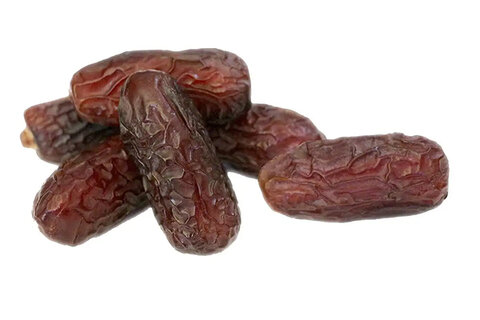
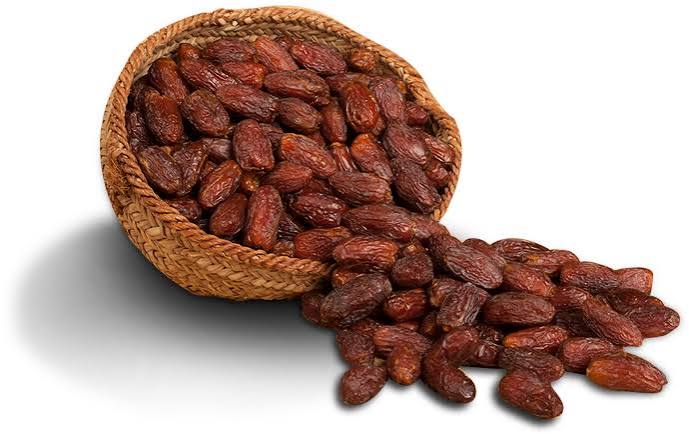
Mazafati is one of the best-known Iranian date varieties and is recognized for its soft texture, dark color, and relatively high moisture compared with many semi-dry varieties. Its soft flesh can make it suitable for products that require a moist and easily processed date ingredient.
Mazafati can be considered for date paste, fillings, snack products, and other applications where its texture and flavor profile fit the formulation. However, manufacturers should evaluate the actual moisture and storage requirements of the specific batch before making a large industrial purchase.
Kabkab Dates for Processing Applications
Kabkab is another important Iranian date variety that can be considered for food processing. Its soft to semi-soft texture and naturally sweet flavor can make it useful for applications such as paste, fillings, sweets, and other processed foods.
For industrial buyers, the exact quality and moisture characteristics should be confirmed before purchase because processing performance can vary depending on the harvest, storage conditions, and commercial specifications of the product.
Kabkab Can Be Considered For
- ✔️ Date paste
- ✔️ Sweet and confectionery fillings
- ✔️ Bakery formulations
- ✔️ Processed date products
Shahani Dates for Industrial Processing
Shahani dates are known for their soft texture, elongated shape, and naturally sweet flavor. Their characteristics can make them suitable for applications where a soft date ingredient or natural sweetness is desired.
Shahani can be considered for date syrup, paste, fillings, confectionery, and other processed products. Manufacturers should select the appropriate grade according to the processing method and final product requirements.
Zahedi Dates for Cost-Efficient Processing
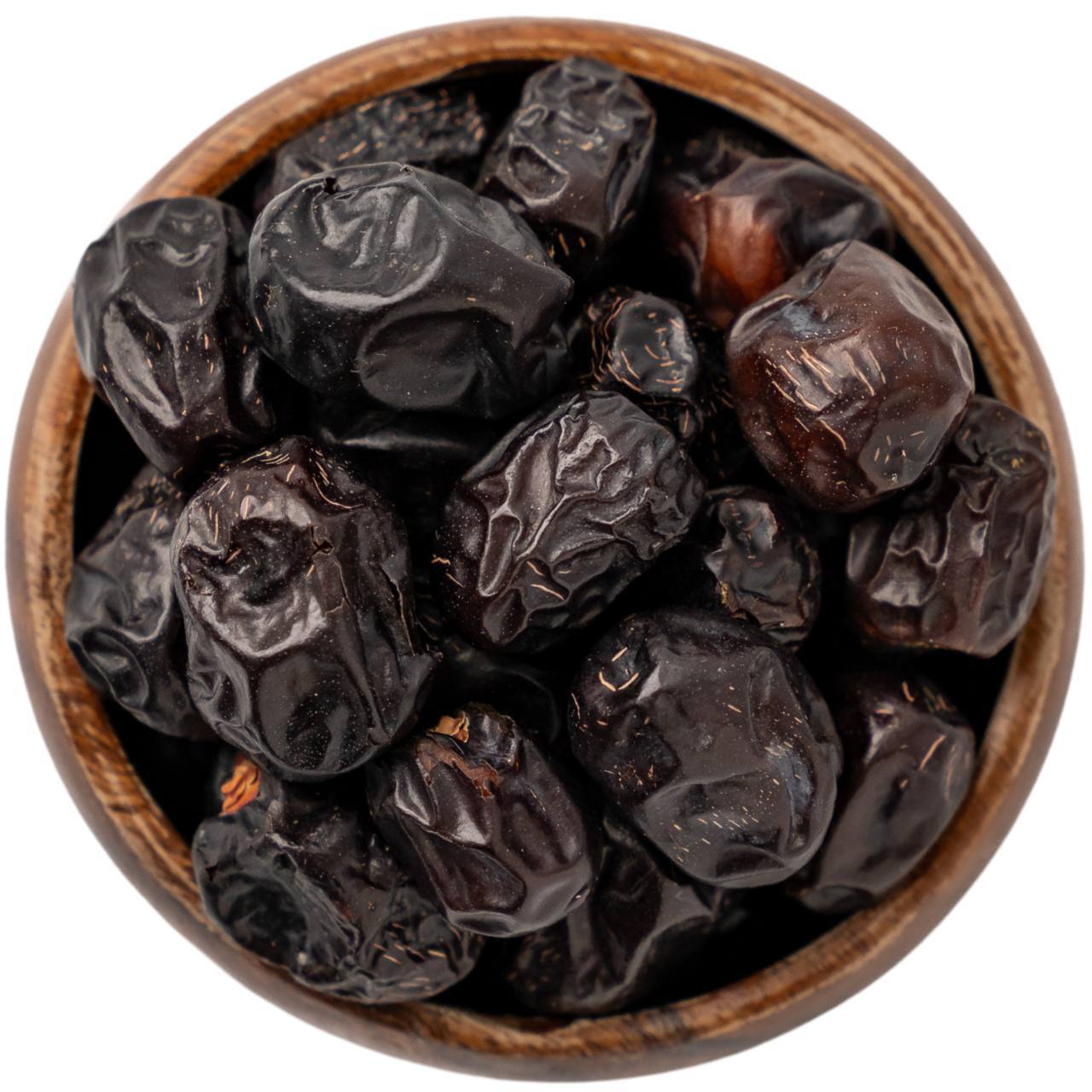
Zahedi is a semi-dry to dry Iranian date variety with a lighter color and firmer texture than many soft date varieties. Its characteristics can make it attractive for certain industrial applications where a drier raw material and efficient storage are important considerations.
Zahedi can be evaluated for food-processing applications depending on the production process. Because it generally has a firmer texture, manufacturers should test its behavior in their specific equipment before selecting it for large-scale production.
Retail Grade vs. Processing Grade
Food manufacturers do not always need the same visual quality required by premium retail markets. In processing applications, characteristics such as texture, moisture, flesh yield, sweetness, food safety, and cost can be more important than perfect appearance.
This can allow manufacturers to select commercially suitable grades that offer the required processing performance while maintaining better cost efficiency. However, all raw materials must still meet the applicable food safety and quality requirements for their intended use.
How to Calculate the Real Cost of Processing Dates
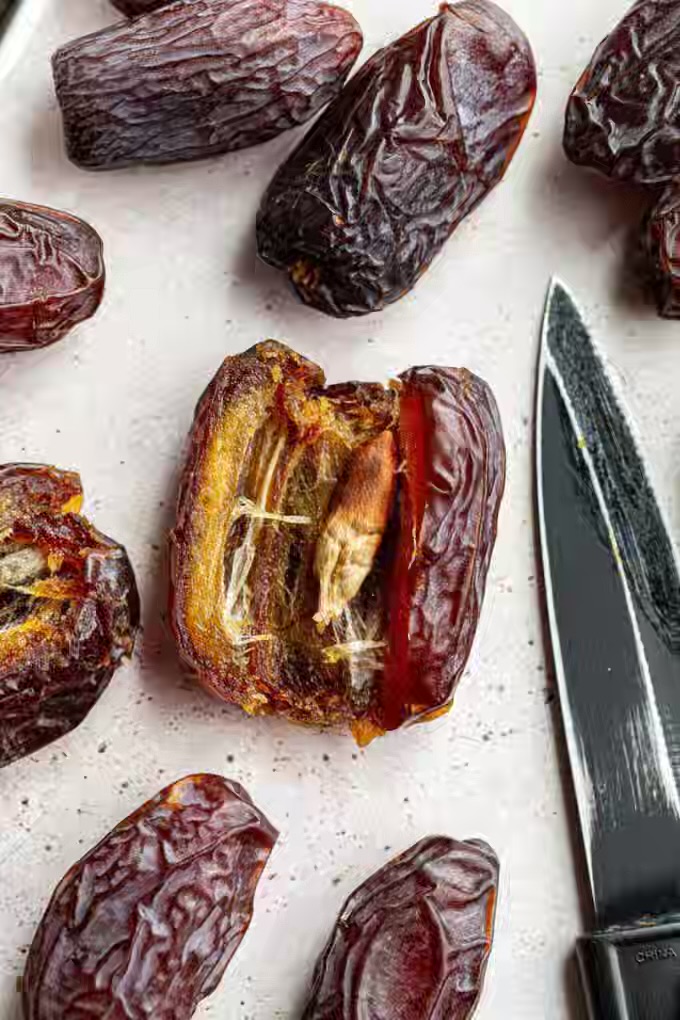
The purchase price per kilogram is not always the best way to compare raw materials. Manufacturers should consider the amount of usable fruit obtained after removing pits, stems, unsuitable pieces, and other unwanted materials.
A slightly more expensive date may provide better usable yield or require less processing, while a cheaper raw material may generate more waste. Evaluating the total processing cost can therefore provide a more accurate basis for selecting the right variety.
Compare More Than the Purchase Price
- ✔️ Purchase price per kilogram
- ✔️ Usable flesh yield
- ✔️ Processing losses
- ✔️ Labor and processing requirements
- ✔️ Storage requirements
- ✔️ Transportation costs
- ✔️ Final product yield
In the final section, we will explain how food manufacturers can select the right Iranian date for their production line, evaluate suppliers, order industrial quantities, and build a reliable supply chain for processed date products.
How to Choose the Right Iranian Dates for Your Production Line
Choosing the right date variety for food manufacturing should start with the final product rather than the name or popularity of the variety. A manufacturer producing date paste may require completely different characteristics from a company producing premium stuffed dates or retail snack products.
Before purchasing in commercial quantities, manufacturers should define the technical specifications required for their production line. These specifications may include moisture level, texture, sweetness, flesh yield, size, acceptable defect level, packaging, and storage requirements.
Production Requirements to Define Before Buying
- ✔️ Final product and intended application
- ✔️ Required moisture and texture
- ✔️ Required sweetness and flavor profile
- ✔️ Required flesh yield
- ✔️ Acceptable level of defects
- ✔️ Required quantity per shipment
- ✔️ Packaging and storage conditions
Request a Sample Before Placing a Large Order
A representative sample is one of the most important tools for industrial date buyers. Even when a variety has a well-known reputation, the quality of individual batches can vary depending on harvest conditions, grading, storage, and handling.
Manufacturers should test the sample using their own production process whenever possible. This allows them to evaluate how efficiently the dates can be washed, sorted, pitted, processed, blended, or converted into the final product.
What to Test in a Date Sample
- Appearance and uniformity
- Texture and moisture
- Taste and aroma
- Pit and stem removal efficiency
- Processing yield
- Final product texture and flavor
- Storage stability under the intended conditions
Food Safety and Quality Requirements
For international food manufacturers, raw-material quality is not limited to appearance and processing performance. Dates must also meet the food safety, hygiene, residue, microbiological, and other regulatory requirements applicable to the destination market and intended food application.
Importers and manufacturers should clearly communicate their specifications to the supplier before purchasing. Depending on the destination country and contract requirements, documentation and laboratory testing may also be required.
Important Quality Considerations
- ✔️ Hygienic handling and processing
- ✔️ Appropriate storage conditions
- ✔️ Control of defects and foreign materials
- ✔️ Compliance with applicable food regulations
- ✔️ Consistent specifications between shipments
Choosing a Reliable Iranian Date Supplier
A reliable supplier is an important part of a stable food-processing supply chain. Industrial buyers should look for suppliers capable of providing consistent quantities and specifications rather than focusing only on the lowest initial price.
For long-term cooperation, the supplier should be able to discuss the available Iranian varieties, commercial grades, packaging options, storage conditions, order quantities, and export requirements. Clear communication before the first shipment can help prevent quality and specification issues later.
- Consistent product quality
- Stable supply capacity
- Clear product specifications
- Suitable export packaging
- Experience with international buyers
- Ability to provide samples before bulk orders
Which Iranian Date Should You Choose?
There is no universal answer because the ideal date depends on the application. For soft paste and filling applications, Mazafati, Shahani, and Kabkab can be considered. For products where a semi-dry or firmer raw material is preferred, Zahedi and other suitable semi-dry varieties may be evaluated.
The most effective approach is to compare several suitable varieties using actual production tests. Manufacturers can then select the variety that provides the best combination of processing performance, quality, availability, and total production cost.
Conclusion: Best Iranian Dates for Food Manufacturing
Iranian dates offer food manufacturers a wide range of options for producing date paste, date syrup, bakery products, confectionery, energy bars, snacks, fillings, and other processed foods. Mazafati, Kabkab, Shahani, and Zahedi are among the Iranian varieties that can be evaluated for different industrial applications.
The best variety should be selected according to the requirements of the final product, including moisture, texture, sweetness, flesh yield, processing performance, quality specifications, and cost efficiency. A sample test before a bulk purchase is strongly recommended for manufacturers seeking consistent results.
For international food manufacturers and bulk buyers, working with a reliable Iranian date supplier can provide access to different varieties and commercial grades according to specific production requirements. Selecting the right raw material at the beginning of the supply chain can improve processing efficiency, product consistency, and overall cost management.
*This content is provided for product introduction, buyer education, and SEO optimization.
639228730974995893.jpg "Piarom vs Rabi vs Zahedi Dates: A Complete Comparison for Wholesale Buyers")