

How Are Dates Graded? A Complete Guide to Date Grades & Quality Standards
Summary: Date grading is the systematic process of classifying dates by size, moisture, sugar content, skin condition, and appearance. For bulk buyers, importers, and food brands, understanding these standards is the key to sourcing consistent, export-ready product and avoiding costly quality disputes down the supply chain.
Long before a carton of dates reaches a port or a retail shelf, it has passed through a detailed grading process at the packing facility. This process is far more than a cosmetic sort — it determines pricing tiers, shelf-life expectations, and which markets a batch is even eligible to enter. For international buyers negotiating contracts across borders, a working knowledge of grading systems is not optional. It is the difference between receiving a shipment that matches the sample you approved, and receiving one that triggers rejected containers, renegotiated pricing, or damaged buyer-supplier relationships.
Unlike many agricultural commodities, dates are graded almost entirely by hand, by experienced sorters who can assess dozens of quality indicators in seconds. This guide walks through exactly what those indicators are, how grades translate into real purchasing decisions, and what questions a serious buyer should be asking any supplier before signing a contract.
The Core Criteria Used in Date Grading
- Size and uniformity — fruit of consistent length and weight within the same carton, which affects both visual presentation and packing efficiency
- Moisture content — a critical factor governing texture, shelf life, and resistance to sugar crystallization or mold
- Sugar concentration — natural sweetness level, which varies by variety and ripeness at harvest
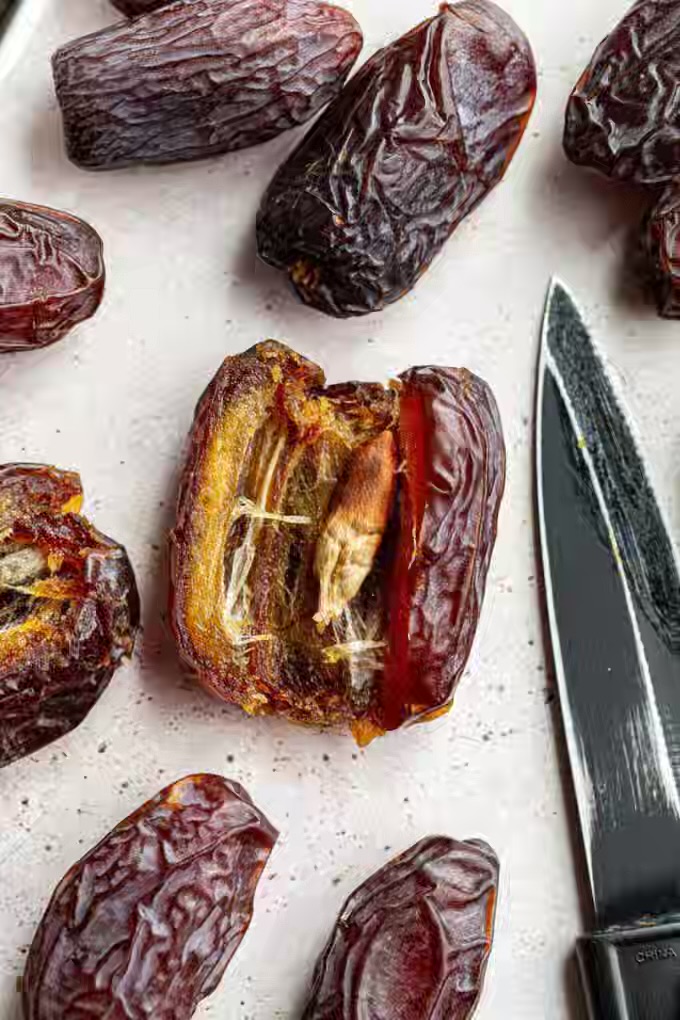
- Skin integrity — freedom from cracks, tears, sunburn spots, or splitting caused by rain during ripening
- Color consistency — uniform, characteristic coloring for the variety, without excessive mottling
- Cleanliness and food safety — freedom from pest damage, mold, sand, or foreign matter, verified against international food-safety benchmarks
Common Date Grade Classifications
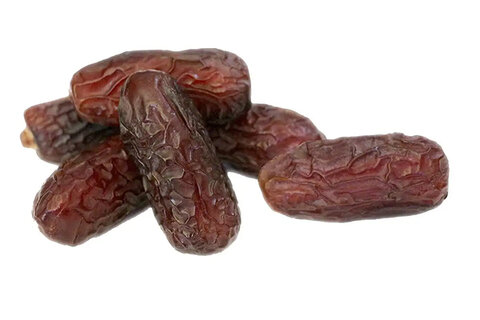
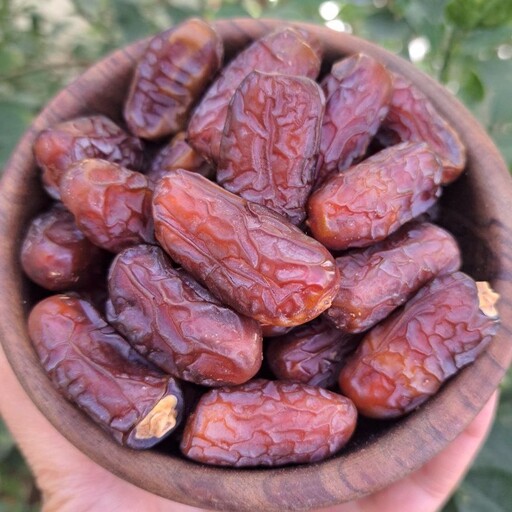
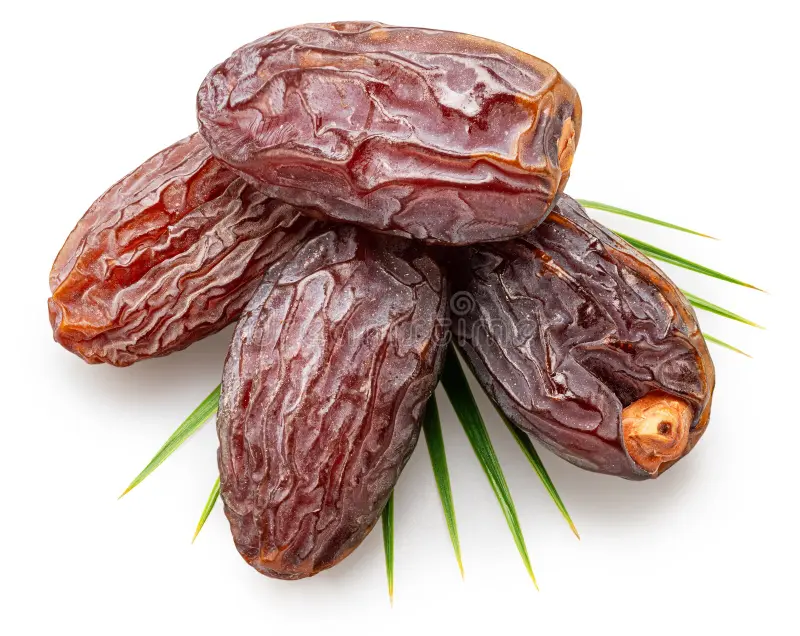
While terminology differs by country and exporter, most commercial grading systems follow a similar three-to-four tier logic. Premium / Grade A dates feature the largest, most uniform fruit, ideal moisture balance, unblemished skin, and rich natural color — reserved for luxury retail, gifting, and gourmet export markets. Grade B dates are slightly less uniform in size or minor cosmetic variation but retain excellent taste and texture, making them well suited to general retail, food service, and standard export contracts. Grade C dates, often smaller, less visually consistent, or with minor skin imperfections, are commonly redirected toward syrup, paste, or industrial food processing, where sugar content matters far more than appearance. Some exporters also maintain a fourth tier for dates destined purely for animal feed or biofuel byproducts.
How Grading Affects Price and Sourcing Strategy
Grade is one of the strongest price drivers in the global date trade, often accounting for a larger swing in per-kilogram cost than variety alone. Buyers sourcing for premium retail or gift packaging should expect to pay a meaningful premium for Grade A product — and should insist on pre-shipment samples and third-party inspection to confirm the grade matches the contract. Buyers sourcing for syrup, bakery, or industrial use can often achieve significant cost savings by intentionally purchasing Grade B or C product, since sugar content and processing yield matter more than visual perfection in these applications. A well-structured sourcing strategy blends grades across a purchasing portfolio, matching each grade to the specific end use it serves best.
Important Notes for Bulk Buyers
- ✔️ Always request official grading certificates or independent lab reports before shipment
- ✔️ Match grade selection precisely to your intended use — retail, gifting, or processing
- ✔️ Confirm moisture content is appropriate for your shipping duration and storage climate
- ✔️ Request pre-shipment photos or samples from the actual production batch, not a general catalog image
- ✔️ Partner with suppliers who maintain documented, batch-to-batch quality control systems
*This content is provided for product introduction and SEO optimization.
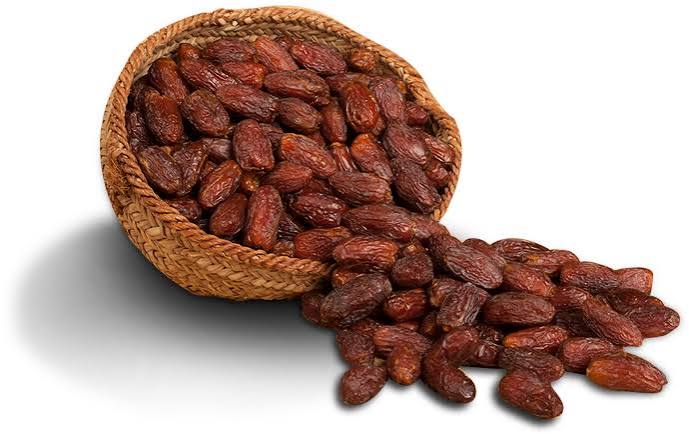
639228730974995893.jpg "Piarom vs Rabi vs Zahedi Dates: A Complete Comparison for Wholesale Buyers")